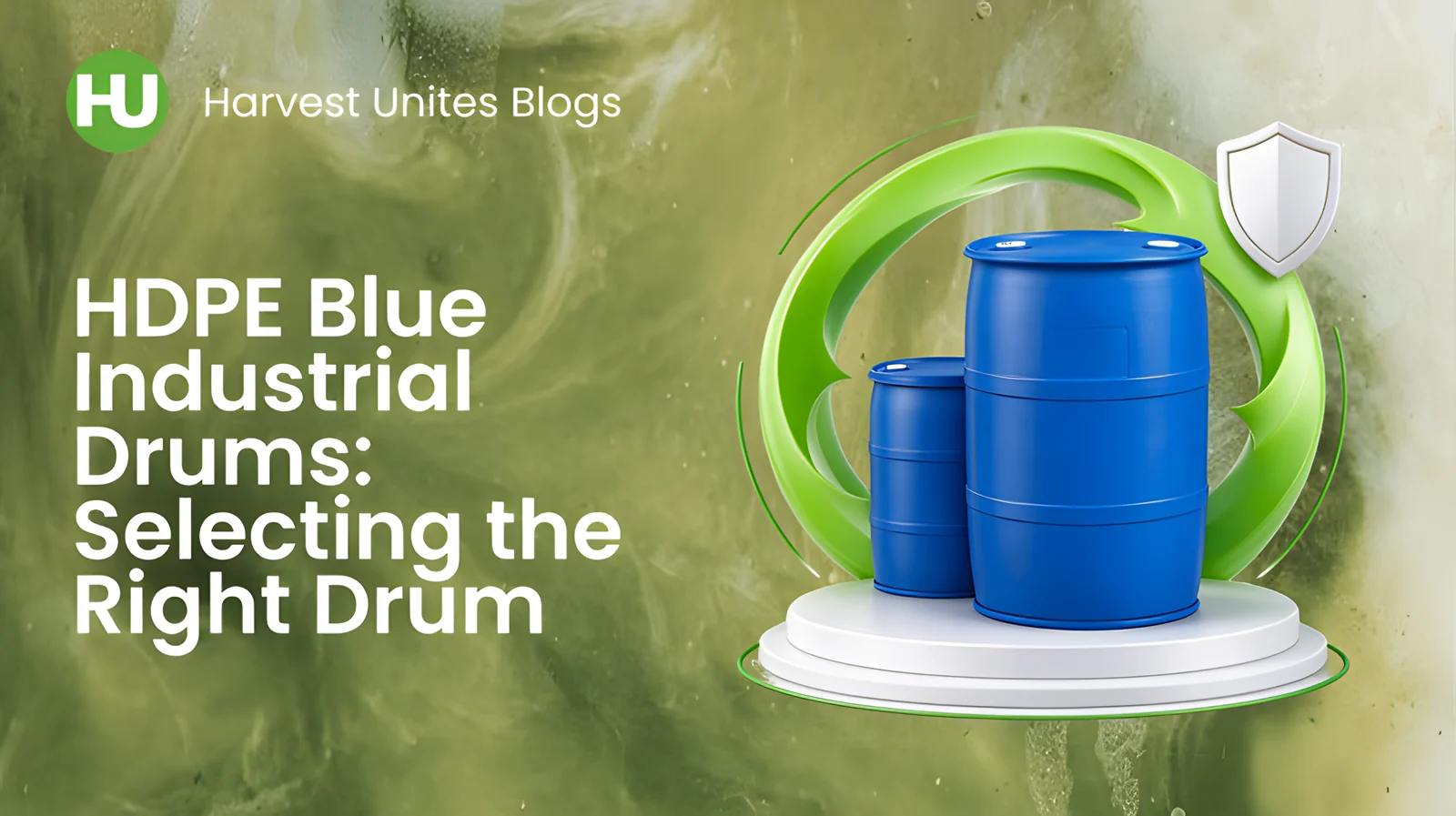
Walk into almost any factory, workshop, plantation or food business in Malaysia and you will find a row of blue plastic drums somewhere near the back door. Many of them are not holding raw materials at all. They are collecting used oil from the maintenance bay, sludge from the wastewater pit, offcuts and recyclables from the production line, or food waste from the kitchen. The 220 litre blue HDPE drum has quietly become one of the most common tools for handling waste on site.
Using the right drum, in the right way, makes waste handling cleaner, safer and easier to manage. Using the wrong drum, or overfilling it, mixing incompatible wastes or leaving it in the sun, can lead to leaks, smells, contamination and problems with your waste contractor. This guide explains why HDPE drums suit waste handling, how to match the drum and lid to the waste, and how to label, store, move, clean and reuse drums properly in Malaysian conditions.
Why Blue HDPE Drums Suit Waste Handling
HDPE, or high-density polyethylene, is a tough plastic that is lightweight, rust-proof and resistant to many chemicals. Unlike steel drums, an HDPE drum will not corrode when it holds wet waste, salty residues or acidic food scraps, and it will not leave rust stains on your floor. It also stands up well to the knocks and bumps of daily handling in a busy yard.
The blue 220 litre HDPE plastic drums supplied by Harvest Unites from our Ipoh warehouse have the following specifications:
- Nominal capacity: 220 litre ± 3 L
- Height: 950 mm ± 3 mm
- Body diameter: 580 mm ± 3 mm
- Top mouth: 420 mm ± 5 mm outer diameter, 400 mm ± 5 mm inner diameter
- Tare weight: 10 kg ± 1.5 kg
- Lid type: screw-top tight-seal lid
- Material: food-grade virgin HDPE plastic, blue
The wide 400 mm mouth is a real advantage for waste. Sludge, scraps and solid waste can be shovelled or tipped straight in, and the drum is far easier to empty and clean than a container with a small opening. The blue colour also makes waste drums easy to spot across a site, although you should never rely on colour alone to identify contents.
Common Waste Streams Collected in 220 Litre Drums
A 220 litre drum is a convenient size for collecting waste at the point where it is produced. It is big enough to avoid constant emptying, yet small enough to move on a pallet once it is full. Typical uses include:
- Used oil: engine oil, hydraulic oil and lubricants drained during machine and vehicle maintenance.
- Liquid industrial waste: spent cleaning liquids, coolant and process rinse water, collected separately by type.
- Wastewater sludge: settled solids removed from treatment pits, grease traps and sumps.
- Solid waste and offcuts: contaminated rags, filters, absorbents, scraps and trimmings from production.
- Recyclables: plastic offcuts, small metal parts and other materials sorted for recycling.
- Food waste: kitchen scraps, peelings and spoiled ingredients from restaurants, canteens and food factories, often sent for composting or animal feed processing.
Keep in mind that many industrial wastes, including used oil and contaminated materials, are treated as scheduled waste in Malaysia. Scheduled waste must be stored, labelled and handed over in line with the rules set by the Department of Environment (Jabatan Alam Sekitar, JAS), and it must be collected by a licensed contractor. Check the current JAS requirements for your waste types, or ask your licensed contractor, before you set up a collection system.
Screw-Top Lid or Open-Head: Choosing the Right Closure
The way a drum closes matters as much as the drum itself. Our blue drums use a wide screw-top tight-seal lid, which combines a large opening with a lid that screws down firmly. When tightened properly, it helps prevent leaks, keeps out rain and pests, and reduces odours.
When deciding how to close and use a waste drum, consider:
- Liquids: a tight-sealing screw lid is essential for used oil and liquid waste, so the drum does not leak if it is bumped or tilted while being moved.
- Sludge and solids: a wide opening makes filling and emptying much easier, and avoids waste getting stuck around a narrow neck.
- Loose lids and open drums: an open drum, or one with a lid simply resting on top, may be acceptable for dry recyclables inside a building, but it lets in rainwater, insects and rodents and should not be used for liquids, food waste or scheduled waste.
- Narrow bung openings: drums with small bung openings are designed for pumping liquids and are hard to fill with sludge or solids, and almost impossible to clean thoroughly inside.
- Lid condition: check that the lid thread and seal are clean and undamaged. Grit or dried waste on the thread stops the lid sealing fully.
Whatever the closure, keep the lid on between fills. An open waste drum invites spills, rainwater, smells and the temptation for others to throw in the wrong waste.
Check Compatibility Before You Fill
HDPE resists many chemicals, but not every substance. Some solvents and strong chemicals can soften, swell or weaken polyethylene over time, especially in hot conditions. Before you use an HDPE drum for a particular waste, work through these steps:
- Identify the waste: know exactly what is going into the drum, including any chemicals that may be mixed in with oil, water or sludge.
- Read the safety data sheet: for chemical wastes, check the safety data sheet of the original product for storage and container advice.
- Confirm suitability with your contractor: your licensed waste contractor can tell you what type of container they accept for each waste stream.
- Never mix incompatible wastes: some substances react when combined, producing heat, gas or pressure inside a closed drum.
- Watch for warning signs: if a drum bulges, softens, discolours or smells unusual, stop using it, move it to a safe area and get advice.
If a waste is not suitable for HDPE, use the container your contractor recommends. A drum that fails halfway through a storage period causes far more trouble than choosing the right container at the start.
Labelling, Segregation and Fill Levels
Good waste handling depends on knowing what is in every drum. Unlabelled drums quickly become a mystery, and a mystery drum is expensive and risky to dispose of. Set up a simple, consistent system:
- Label every drum: mark the waste type, the department or source, and the date collection started. Use labels that stay readable in rain and sun.
- Remove old labels: if you reuse a drum, take off or cover old product labels and hazard markings so nobody is misled.
- One waste per drum: keep used oil, solvent waste, sludge, recyclables and food waste in separate drums. Mixing waste streams can make the whole drum harder to treat or recycle.
- Group drums by type: set out clearly marked areas for each waste stream, and keep food waste well away from oils and chemicals.
- Train your staff: make sure everyone who adds waste knows which drum to use and what must never go in it.
Equally important is how full you fill each drum. A drum filled right to the brim is difficult to close, spills when moved and leaves no room for expansion. Liquids expand as they warm up, and a drum left in a hot yard in the afternoon can push liquid past the seal. As a practical rule, leave a clear gap below the lid rather than filling to the top, and agree a maximum fill level with your contractor.
Weight matters too. A 220 litre drum full of water weighs around 230 kg including the drum, and denser wastes such as sludge can weigh more. Stop filling when the drum reaches a weight your team can move safely with the equipment you have.
Storage: Spill Containment, Shade and Pallets
Malaysia's heat, strong sunlight and heavy rain all affect how well waste drums perform. A well-planned storage area protects your drums, your workers and the ground beneath your site.
- Provide spill containment: store liquid waste drums inside a bunded area or on spill trays that can hold leaks, so a split drum does not reach drains, soil or waterways.
- Keep drums in the shade: store drums under a roof and out of direct sun. Shade reduces heat build-up and pressure inside the drum, and long exposure to sunlight can weaken plastic over time.
- Keep rain out: rainwater in a waste drum adds weight, can cause overflow and may turn a small amount of waste into a much larger volume to dispose of.
- Use a firm, level floor: a concrete floor is ideal. Avoid soft ground that can settle in heavy rain and tip drums over.
- Raise drums on pallets: keeping drums off the floor protects them from standing water and makes them ready to lift.
- Secure the area: limit access to trained staff, and keep absorbent material and spill kits close by.
Store drums upright with the lid on top and tightened. Leave enough space between rows to inspect drums for leaks and to move a pallet jack or forklift safely.
Moving Drums Safely
A full waste drum is heavy, unstable when tilted and awkward to grip. Rolling or dragging a full drum by hand risks back injuries, damaged drums and spills. The safest way to move drums is on a pallet.
Our 1200 × 1000 mm wooden pallets carry up to 1000 kg while being moved and up to 3000 kg when stored, and they fit four 220 litre drums. For wet waste areas where hygiene matters, our plastic pallets are rated for 1500 kg dynamic and 4000 kg static loads, and they do not absorb water or rot.
Follow these steps when moving drums:
- Check the drums first: make sure each lid is tight and there are no leaks before lifting.
- Load four drums per pallet: place drums upright and close together, within the pallet's edges.
- Secure the load: strap or wrap the drums together so they cannot shift or topple in transit.
- Check the total weight: make sure the load stays within the pallet's dynamic rating and the forklift or pallet jack's capacity.
- Lift and drive carefully: keep the load low, avoid sudden turns and braking, and take extra care on slopes and wet floors.
For more detail on stacking, forklift handling and pallet inspection, read our guide to wooden pallets and industrial drums.
When to Choose IBC Tanks Instead
Drums are ideal for small and medium waste volumes, for keeping several waste streams apart, and for collecting waste at many different points around a site. Once a single liquid waste stream grows large, though, an IBC tank may be the better tool.
Our 1000 litre IBC tanks hold as much as five 200 litre drums in a 1200 × 1000 mm footprint, move in one forklift trip and drain through a 50 mm bottom valve. Consider an IBC when:
- You produce large volumes of one liquid waste: for example, wash water or rinse water from a single process.
- Floor space is tight: one IBC takes less space than the equivalent number of drums.
- You want easier discharge: the bottom valve lets liquid drain by gravity, without pumping or tilting drums.
- Your contractor collects in bulk: fewer, larger containers can make collection simpler.
Stay with drums when the waste is solid or thick sludge that will not drain through a valve, when you need to separate many small waste streams, or when waste is collected at points where a forklift cannot reach. Many sites use both. If you are weighing up new or used tanks, our guide to new vs used IBC tanks explains the differences.
Cleaning, Reuse and New vs Used Drums
One of the strengths of HDPE drums is that they can be cleaned and reused for compatible contents. Reusing a sound drum keeps it in service for longer and reduces packaging waste, an approach we discuss in our article on sustainable industrial packaging in Malaysia.
When cleaning and reusing drums:
- Empty completely: drain or scrape out all remaining waste before cleaning.
- Handle wash water properly: rinse water from drums that held oil, chemicals or scheduled waste is itself contaminated and must be collected and disposed of correctly, not poured into a drain.
- Inspect after cleaning: look for cracks, deep scratches, bulges, soft spots and damage to the lid thread or seal.
- Keep reuse consistent: ideally, reuse a drum for the same waste stream it held before, so traces left behind do not cause a reaction.
- Retire damaged drums: a cracked or deformed drum should not go back into service.
Harvest Unites supplies both new and used blue drums. Used drums are a lower-cost option for waste collection, water and general non-food storage, and for many waste handling jobs they work just as well as new ones. New drums made from food-grade virgin HDPE are the right choice for food products and sensitive contents.
One rule must never be broken: a drum that has held hazardous chemicals or chemical waste must never be reused for food, animal feed or drinking water. Cleaning reduces residue, but it cannot guarantee that every trace is gone. Once a drum has been used for chemical waste, keep it in waste service or send it for proper disposal or recycling.
Frequently Asked Questions
Can I use a blue HDPE drum to store used oil?
Yes, HDPE drums are commonly used to collect used oil. Keep the screw-top lid tight, store the drum in a shaded, bunded area, label it clearly and do not mix used oil with solvents or other wastes. Used oil is generally treated as scheduled waste in Malaysia, so it must be stored and handed over in line with JAS requirements through a licensed contractor.
How full should I fill a waste drum?
Do not fill a drum to the brim. Leave a clear gap below the lid so liquids have room to expand in the heat and the lid can close properly. Also consider weight: a full 220 litre drum of liquid weighs well over 200 kg, so stop at a level your team can move safely on a pallet.
Can I reuse a waste drum for food after washing it?
No. A drum that has held waste, oil or chemicals should never be used for food, animal feed or drinking water, even after cleaning. For food products, use new drums made from food-grade virgin HDPE, and keep used drums for waste and non-food purposes.
How many drums fit on one pallet?
A standard 1200 × 1000 mm pallet holds four 220 litre drums. Our wooden pallets are rated for 1000 kg dynamic and 3000 kg static loads, so check the total weight of the full drums before lifting, and strap or wrap the load before moving it.
Key Takeaways
Blue 220 litre HDPE drums are a practical, rust-proof choice for collecting used oil, liquid waste, sludge, recyclables and food waste on site. Choose a drum with a tight-sealing lid that suits the waste, check compatibility before filling, label and segregate every drum, leave room at the top, and store drums in a shaded, bunded area on pallets. Move larger single liquid streams to IBC tanks, follow JAS rules and use licensed contractors for scheduled waste, and never reuse a chemical drum for food.
Harvest Unites has supplied industrial packaging from Ipoh, Perak since 2009, and we stock new and used 220 litre blue HDPE drums together with IBC tanks, wooden pallets and plastic pallets. Tell us what kind of waste you need to handle and how much you produce, and our team will help you choose the right drums and supporting equipment.